Lisbon and Porto in Eight Nights: Build a Comfortable Route
Lisbon and Porto are a sensible pair for travelers who want two different Portuguese city bases without daily packing. This example uses four nights in each, with one intercity move. It focuses on practical choices rather than a fixed list of restaurants. Hills, paving, weather and the location of the actual station or hotel can matter as much as the map distance, so plan the route at street level.
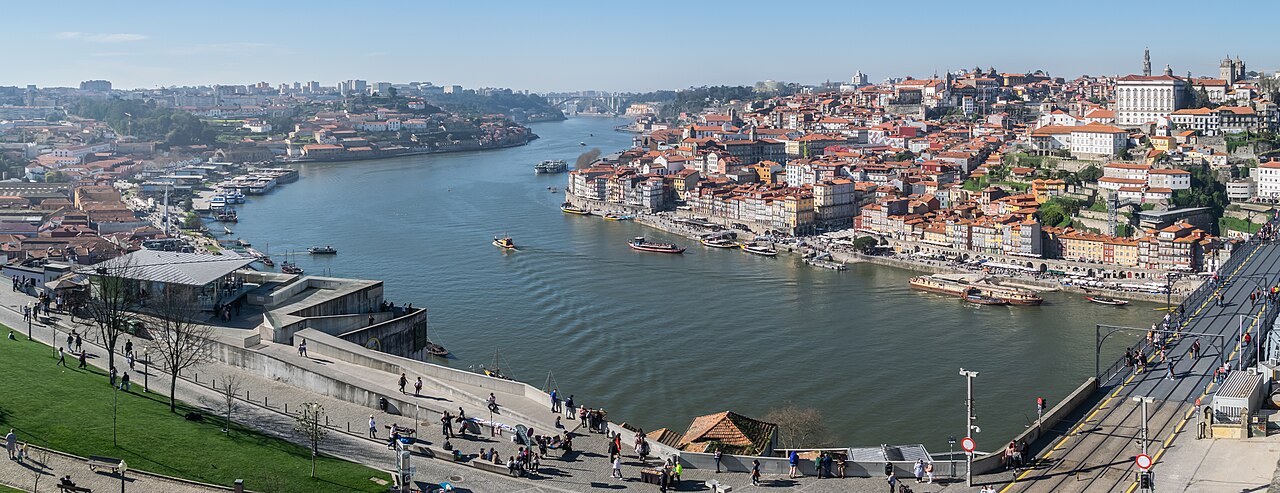
Photo: Krzysztof Golik · CC BY-SA 4.0. Reference photograph: Douro river in Porto (6).jpg. It does not establish current access, weather, operations or a future event. Display may crop the original.
.jpg)
Choose a direction that reduces backtracking
Compare flights into Lisbon and out of Porto with the reverse arrangement and with a return flight to one city. Add the cost and time of returning to the first airport. Do not select the flight separately from the ground route. If the cheapest option demands an early departure from a remote airport, price the final hotel and transport needed to make it comfortable rather than assuming an inexpensive city bus will fit.
Use Lisbon's hills as a planning input
Map the route between the hotel, transit and daily activities, including elevation changes and stairs. A short-looking walk can feel different with bags or after a long museum visit. Combine one higher-effort outing with a quieter meal or indoor stop rather than stacking uphill walks. Ask the property about the entrance and lift if needed. A scenic district can be appealing while a different base offers a more practical daily arrival.
Make the four Lisbon nights useful
Arrival day should settle the group. Use one full day for a central neighborhood cluster, one for a chosen cultural or waterfront area, and one for your main remaining interest. Sintra or another excursion is an alternative use of that third day, not an additional free day. Research the excursion's own ticketing and transport separately. If the city activities already fill the stay, keep the excursion for another trip.
Research the intercity booking precisely
Use the operating rail provider's current search for your travel date and compare the exact Lisbon and Porto stations. Check which local transfer is required at each end, seat conditions, baggage rules and the flexibility of the fare. Do not quote a single future departure or journey duration as guaranteed. Save tickets offline, and choose a departure that allows breakfast, checkout and a calm station arrival without an unnecessary pre-dawn start.
Give Porto two substantial city days
Organize one day around the historic city and riverside interests and another around a museum, neighborhood or food theme that matches the group. Treat a Douro excursion as a separate full planning decision; it can consume the day that would otherwise reveal more of Porto. Riverfront photographs can hide steep approaches, so check the route back to the lodging as carefully as the route down. Keep a seated break before the return climb.
Compare city cards against your actual list
Use the official Lisbon and Porto tourism sites to examine current inclusions and purchase conditions. List the entries and journeys you genuinely expect to use, then compare their separate costs with the card price for the correct validity period. Exclude benefits you would not otherwise buy. Check whether a transport inclusion reaches the airport or the chosen excursion; do not infer that every service in a city is included.
Keep food and weather flexible
Choose a few current restaurant candidates near your planned areas, with dietary needs and booking terms checked directly. Leave several meals open for a simple local choice. Rain may alter a steep walking day more than a museum day, so keep an indoor alternative nearby and swap entire day clusters where bookings allow. A light waterproof layer and suitable footwear are more useful than assuming a shoulder-season city break will be dry.
Audit the departure and the real cost
Work backward from the airline's required airport arrival. If the return flight is from the first city, decide whether to return the preceding night rather than relying on an unprotected rail connection. Add local transfers, luggage storage and accommodation taxes where applicable to the budget. Save receipts and the current cancellation deadlines in one place. A carefully priced extra night can be better than a fragile final day with no margin.
Your working checklist
Checkmarks stay in this browser when storage is available. They do not submit information or complete a purchase.
Put it into practice
- Compare both flight directions and any return-to-origin journey.
- Pick a hotel base after checking hills, transit and entrance details.
- Choose three Lisbon day themes, treating an excursion as a replacement.
- Verify the exact intercity stations and booking conditions.
- Build two Porto city days and assess whether any excursion truly fits.
- Compare city cards only against intended purchases.
- Protect the final departure and recheck weather-sensitive walking plans.
Before you finish
- Excursions replace city days rather than multiplying them.
- Hotel access includes the street approach.
- Transport inclusions are confirmed product by product.
- The final international flight has a realistic ground-transfer plan.
Common questions
Should I stay longer in Lisbon or Porto?
Use your interests and arrival times to decide. Four nights each is only a balanced starting point. A traveler with several Lisbon museums or a planned excursion may shift a night south; another may prefer more Porto time.
Can I visit the Douro on a day trip?
Research it as a complete excursion with current transport, return time and activity details. It may be worthwhile, but it reduces Porto city time. Avoid reserving an evening commitment that depends on a perfectly punctual return.
Are hilltop hotels always a bad choice?
No. The setting may be exactly what you want. The important step is understanding the daily route, luggage access and transport alternatives before booking. Ask specific questions rather than relying on a general neighborhood description.
Is a tourist card automatically cheaper?
No. It depends on the included attractions, actual journeys, validity and your pace. A smaller set of separate tickets can cost less and allow more flexibility. Use the current official terms in the comparison.