A First Europe Trip in 10 Nights: Choose Two Bases Before Booking
A first trip becomes easier when you count nights rather than countries. Ten nights can support two useful bases and several different experiences without repeatedly packing. This is an original planning framework, not a bookable package. Start with what you enjoy doing, then select a pair of cities connected by transport that actually operates on your dates. A famous name alone is a poor reason to add a third hotel.
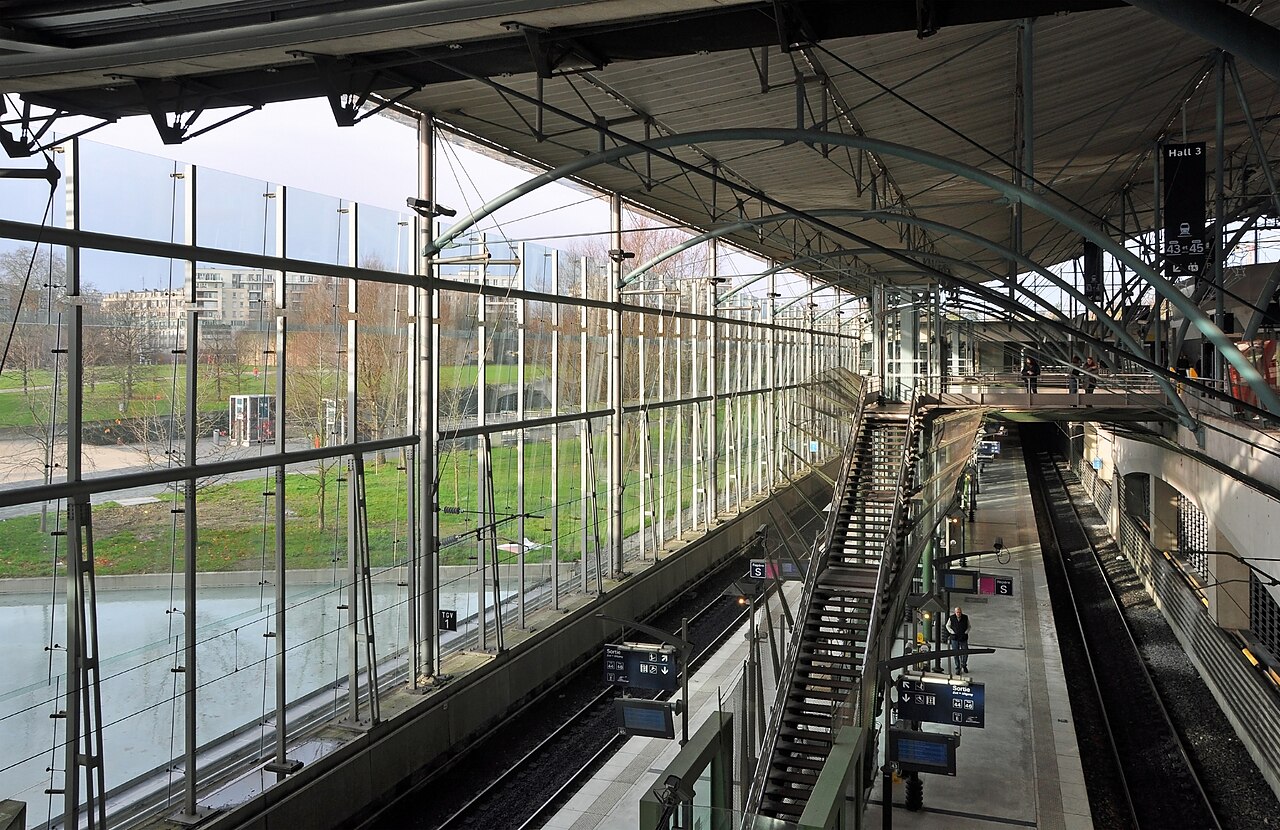
Photo: Marc Ryckaert (MJJR) · CC BY 3.0. Reference photograph: Gare Lille Europe R03.jpg. It does not establish current access, weather, operations or a future event. Display may crop the original.

Write the trip brief before opening a map
Give each traveler three priorities and one practical limitation. A museum enthusiast, a food-focused traveler and someone who needs frequent seated breaks can share a route if the day has room for all three. Agree whether late nightlife, early starts or long walks are acceptable. This prevents an attractive train map from becoming a commitment to a pace nobody wants. Save the brief beside your reservations so new ideas have something concrete to compete against.
Use nights as the unit of capacity
In an illustrative ten-night split, spend five nights in each base. Arrival day is for finding the lodging, eating and a short orientation; it is not a full sightseeing day. The middle move consumes part of another day even when the train journey looks short. Write morning, afternoon and evening boxes for each date. Mark international arrival, hotel transfer and departure before assigning museums or excursions. The remaining blank boxes are your real sightseeing capacity.
Select cities with a useful connection
Choose one continuous route instead of zigzagging across a continent. London and Paris, Lisbon and Porto, or Rome and Florence are examples to research, not promises of a particular service. Search the actual travel date, station pair, baggage rules and any required reservation. Compare getting from hotel to hotel, including arrival at the station and local transport. A cheap flight can lose its advantage after airport transfers, baggage charges and a remote arrival airport.
Make a neighborhood-scale daily plan
For each full day, choose one anchor activity and a nearby secondary option. A booked gallery can lead into lunch and a park in the same area; it should not require crossing the city three times. Keep one afternoon uncommitted in each base. These spaces absorb rain, fatigue or a newly discovered interest. A map of clusters is more useful than a numbered list of attractions ranked without regard to geography.
Choose lodging around the repeated journey
Compare the journey you will make every day, not simply the distance to the most famous monument. Check transit stops, stairs, late arrival arrangements and the walk from the stop to the door with bags. An apartment may involve cleaning fees or a narrow check-in window; a hotel may include luggage storage that improves transfer day. Ask the property directly about anything essential instead of treating a map pin or an accessibility icon as a complete answer.
Make the money comparison honest
Create a total for each route containing flights, accommodation, intercity travel, local transport, food, entries and an emergency margin. Separate per-person costs from costs shared by the room. For illustration, two rooms for five nights means ten room-nights, not five. Recalculate after changing the group size. Keep refundable and nonrefundable commitments visible, because a slightly cheaper route can become expensive when its main connection cannot be changed.
Keep documents separate from inspiration
Passport and entry requirements depend on nationality, residence, destination and transit. Check the official authorities for each country, including countries outside the Schengen area. Do not assume a European itinerary has one universal entry rule. Save the relevant page date, required evidence and the action still outstanding. Keep secure copies separately from public travel notes, and avoid uploading passport details to a shared sightseeing spreadsheet.
Remove one thing before adding another
Test the finished plan by asking what happens if arrival is late or one traveler needs a quiet day. If every attraction requires a nonrefundable time slot, simplify. Keep an optional list for additional neighborhoods rather than adding another city. The trip is ready when the essential connections work, the accommodation fits the group and each base has enough open time to be enjoyed. A complete route is not the same as a completely filled calendar.
Your working checklist
Checkmarks stay in this browser when storage is available. They do not submit information or complete a purchase.
Put it into practice
- Agree on three shared priorities and the maximum comfortable pace.
- Choose two potential bases joined by a practical route on your dates.
- Block arrival, transfer and departure periods before sightseeing.
- Price the complete route for the actual group and luggage.
- Confirm entry documents and essential lodging arrangements.
- Book the most restrictive connections, then build nearby day clusters.
- Leave one flexible afternoon in each base and share the current plan.
Before you finish
- Only one intercity hotel move is essential.
- Arrival day has no expensive timed commitment.
- Daily routes include meals and seated breaks.
- Entry checks reflect each traveler’s circumstances.
Common questions
Is two cities too little for ten nights?
Not if the aim is to experience places rather than collect arrivals. Two bases can include neighborhoods, a day trip and different kinds of activity. Add a third only after calculating the full move and identifying what you will remove.
Should I arrive and depart from different cities?
Compare an open-jaw flight with a return flight plus the travel needed to get back. Include time and hotel nights, not only fares. Either can be sensible depending on the actual airports and route.
Do I need every attraction booked in advance?
Book genuinely capacity-limited priorities where necessary. Leave ordinary neighborhood walks and some meals flexible. Check each attraction's own ticket page, closing day and cancellation rules rather than following a universal booking timetable.
What should I cut first if the route feels rushed?
Cut a distant optional excursion or an additional hotel change. Protect the activities that motivated the trip, but allow recovery and meals. Removing a transfer often improves several days at once.