Carry-On Packing for Two Weeks in European Cities
Carry-on packing works best when it is a decision about the whole route rather than a competition to own the smallest bag. Two weeks of city travel usually do not require fourteen completely separate outfits, but laundry, weather and personal needs must be planned. This guide uses an illustrative capsule method. Airline size limits, security restrictions and special-item rules must be checked with the actual carrier and departure airport.
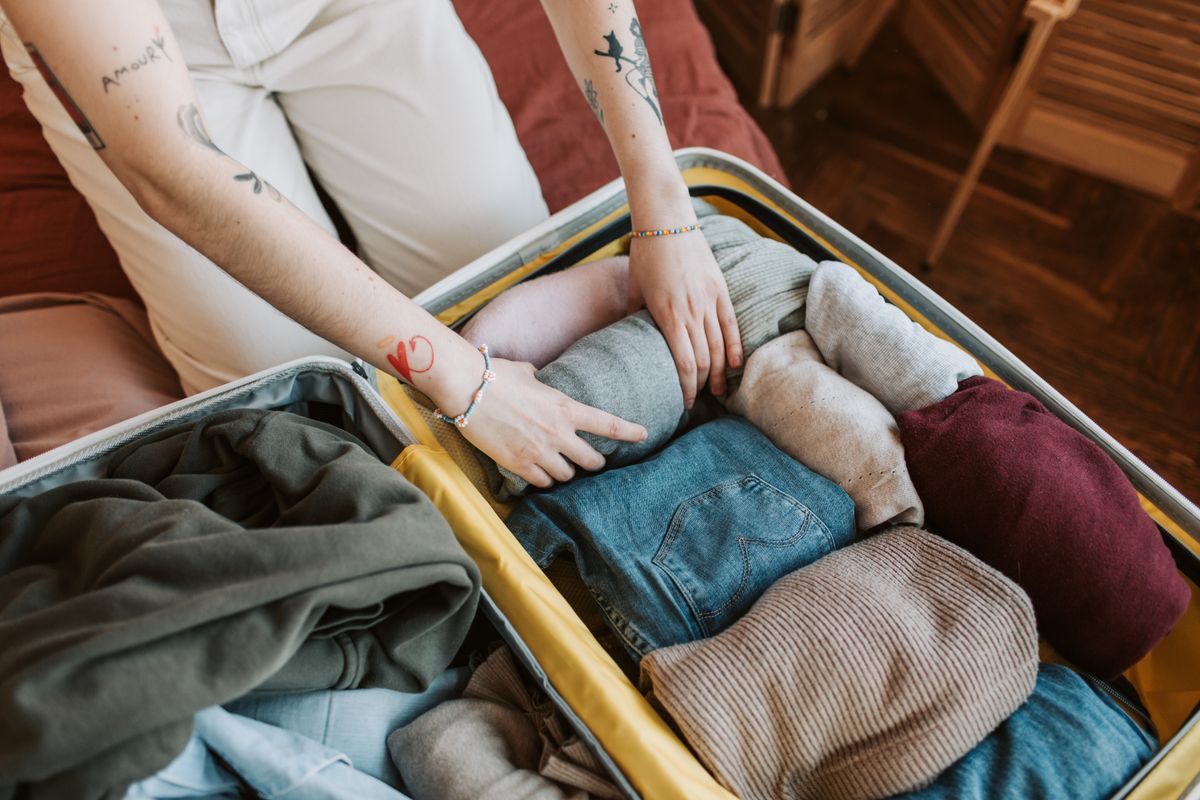
Photo: Pexels · Pexels License. Illustrative photograph of the subject; not a tested result, current condition report or endorsement. Display may crop the original.
Start with the strictest booked allowance
List every flight and other transport segment, then record the permitted bag dimensions, weight and item count for the purchased fare. A cabin suitcase included on the long-haul flight may not be included on an onward fare. Measure the packed bag including wheels and handles where the carrier requires it, and weigh it using an ordinary luggage scale. Do not assume an empty product listing establishes the size of a bulging packed case.
Pack around a repeatable clothing system
Choose several tops and bottoms that work together, with layers suitable for the expected conditions. For an illustrative city capsule, plan a small rotation plus a laundry point rather than assigning a new outfit to every calendar date. Include the clothing needed for a particular event or venue only if that event is actually on the route. Try the combinations at home so an attractive packing list does not contain pieces you will not wear together.
Make laundry a real appointment
Check whether the lodging offers laundry, whether a local service is practical or whether small hand-washed items can dry within the stay. Do not assume every room has suitable drying space or that a one-night stay allows a wet garment to become wearable. Put laundry on a quieter middle day with spare clothes available. Read care labels and property rules. A capsule wardrobe only works when the laundering plan supports it.
Choose shoes for the actual surfaces
Take the footwear you already know is comfortable for your intended walking, rather than debuting an untested pair on a long sightseeing day. Consider rain, uneven paving and any specific venue requirement. A second compact option can be useful, but avoid packing several pairs that serve the same purpose. Test the bag after shoes are included; they often determine whether a theoretically minimal list fits. Keep soles separated from clean clothing.
Organize liquids and special items correctly
Use the departure airport's current security guidance and the carrier's rules for liquids, medication, batteries and unusual items. Security permission and airline baggage allowance are separate checks. Keep essential medicines and their appropriate documentation accessible, and consult relevant authorities if crossing borders with restricted medication. Do not decant products into unidentifiable containers where labeling matters. A reusable clear pouch can make organization easier, but it does not override security requirements.
Create a useful day bag
Pack the items needed between checkout and room access: documents, ticket access, charger, a weather layer and personal essentials. Keep valuables and important medication with you rather than relying on bag storage or a potential gate-checked suitcase. Avoid overloading the day bag with every contingency. Walk with the full combination at home, including stairs if that reflects the route, so the luggage system is manageable before you arrive at an unfamiliar station.
Plan shopping before the bag is full
Leave a small amount of space or decide what you will not buy. Check customs and import rules for intended purchases, particularly food, plants or regulated goods, through the relevant official authorities. A foldable spare bag can create an extra item that the fare does not permit, so it is not a universal solution. If bringing gifts, consider their fragility and total size before committing to the smallest possible case.
Do a departure rehearsal
Pack everything, weigh the bag and retrieve the items needed at security without emptying it onto the floor. Check that the case can be lifted and carried by the traveler using it. Remove duplicate items whose purpose is unclear. Keep a written list of truly essential personal items and review it separately from clothing. The finished system should make airport and rail transfers easier; it should not force you to buy basic necessities every other day.
Your working checklist
Checkmarks stay in this browser when storage is available. They do not submit information or complete a purchase.
Put it into practice
- Record the smallest applicable bag allowance on the whole route.
- Build a clothing rotation around the expected weather and actual activities.
- Confirm a practical laundry point with drying time.
- Choose familiar footwear and remove duplicate pairs.
- Check liquids, medication and battery rules through relevant authorities.
- Pack and walk with the complete luggage combination.
- Weigh, measure and rehearse access to essential items before departure.
Before you finish
- The allowance matches the purchased fare.
- Laundry has a location and a feasible date.
- Essential documents and medication remain accessible.
- Shopping plans fit baggage and import limits.
Common questions
Can I pack two weeks in one cabin bag?
Possibly, depending on the allowance, climate, personal needs and laundry plan. The goal is manageable luggage, not a fixed bag size. Do not omit essential items simply to imitate someone else's packing challenge.
Should I buy special travel clothes?
Only if they solve a real problem. Familiar clothes that combine well and meet the weather needs can work perfectly. Test any new garment or shoes before relying on them throughout the trip.
Are airport liquid rules identical everywhere?
Check the actual departure and transfer airports. Rules and procedures can differ, and exemptions may require specific handling. A permitted security item also has to fit the airline's baggage and dangerous-goods rules.
What if the airline checks my cabin case?
Keep documents, important medication, valuables and other items that must remain accessible in an allowed personal bag, subject to the carrier's rules. Review battery and prohibited checked-item guidance before handing over the case.