A Slow Europe City Trip With Children: Plan Around Daily Capacity
A successful family Europe trip is usually a sequence of manageable days, not an adult itinerary with a playground squeezed into the margins. Children differ in sleep, walking tolerance and interests, so use this framework as a starting point rather than an age-based guarantee. Choose a small number of bases, verify transport and lodging details directly, and let the family's actual rhythm shape the schedule.
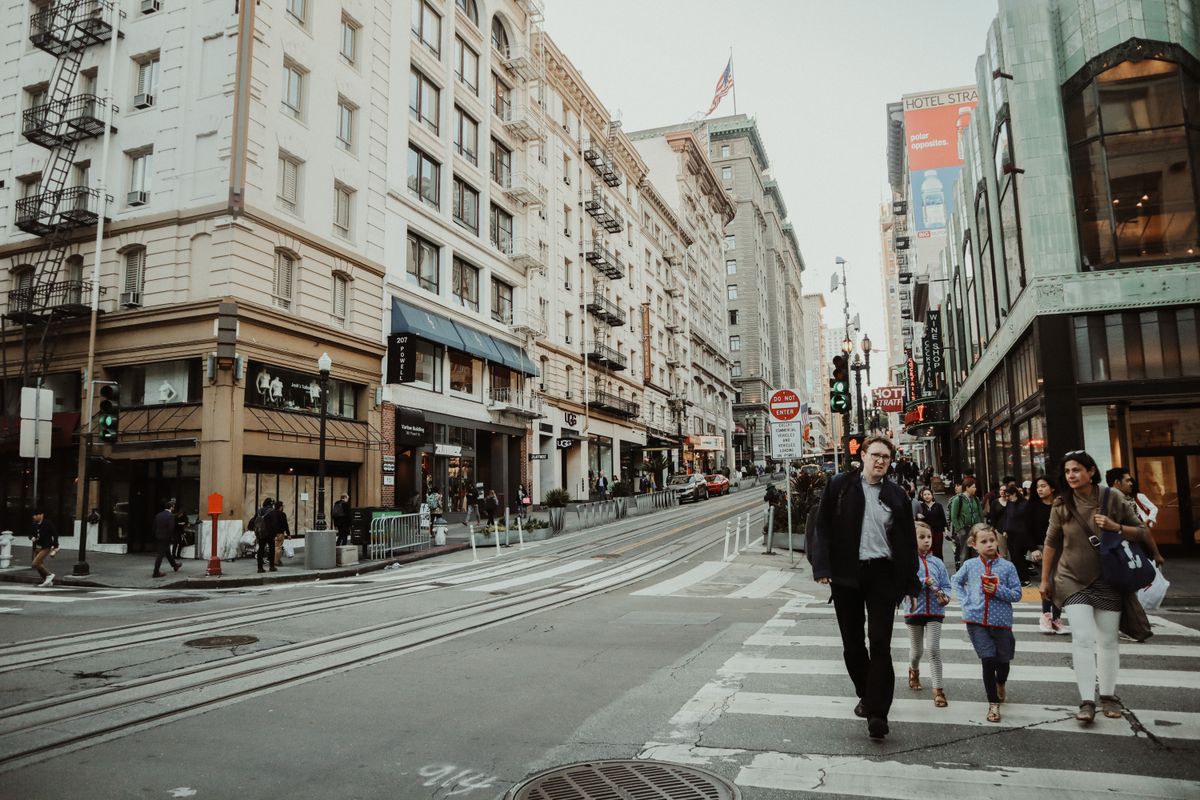
Photo: Pexels · Pexels License. Illustrative photograph of the subject; not a tested result, current condition report or endorsement. Display may crop the original.
Define the family's daily capacity
Discuss normal sleep, meal and activity patterns before assigning attractions. Consider how the children respond to long queues, late evenings and unfamiliar food. Choose one main outing per day with a nearby lighter option, and keep the return to the lodging realistic. Do not assume that a child who enjoys a busy weekend at home will enjoy consecutive full sightseeing days after an international flight. Arrival and recovery need their own space.
Reduce moves before reducing comfort
Compare a one- or two-base route with a multi-city plan. Every hotel move adds packing, checkout, transport and a new bedtime environment. A slightly longer stay can allow laundry, familiar breakfast options and an easier response to rain. Choose accommodation for the actual family arrangement: confirm beds, occupancy, stairs, cooking facilities where needed and quiet-hour rules. A room category described as family-friendly is not a substitute for those details.
Plan the station journey with all equipment
Check whether each adult can manage the assigned bags while supervising children. Trace lifts, platform changes and any assistance needs. Verify the carrier's rules for strollers, child seats, age categories and reservations on the actual product. Do not assume a child's fare automatically includes an individual seat or that a stroller fits every storage area. Keep snacks, water and essential items accessible without unpacking a suitcase.
Choose attractions by the child's interest
Use the venue's own information to check age suitability, length, toilets, food options and entry rules. A famous museum may be worthwhile for a focused short visit rather than an attempt to see every room. Let each child choose a small interest where appropriate, such as a particular object or activity. A simple goal gives the visit shape. Leave before exhaustion makes the next meal or journey unnecessarily difficult.
Create a predictable meal rhythm
Save a few practical food options near the lodging and planned outings. Ask directly about allergies or specific dietary needs; translated menu labels may not answer the question. Include time to sit and eat rather than relying on snacks to support a full adult schedule. Keep one uncomplicated backup meal in mind for delayed arrivals. A family apartment can help, but confirm the actual cooking equipment and grocery access before assuming every dinner can be prepared there.
Keep rest geographically possible
Choose a morning route that allows returning to the base if needed, especially during the first days. A park or quiet indoor break can supplement rest, but it is not always equivalent to sleep. Do not place a distant timed ticket immediately after the rest window. If the family prefers staying out all day, build a substantial seated break and shorten the evening. The useful pace is the one everyone can repeat for several days.
Verify children's documents separately
Check passports, entry conditions and any consent or family-document requirements through the relevant official authorities for the route and circumstances. Do not assume a parent's eligibility automatically covers the child. Keep accurate copies and emergency contacts securely accessible, without publishing private information in a shared sightseeing sheet. If adults and children have different nationalities or custody circumstances, resolve the official questions before nonrefundable commitments.
Make a simple separation and disruption plan
Agree on a recognizable meeting point and age-appropriate actions if someone becomes separated. Keep responsible adult contact details accessible in a way suitable for the child. For delays, know how to contact the accommodation and choose a simpler arrival plan. Avoid displaying personal details publicly. A calm fallback, fewer bags and a shorter first evening often improve the trip more than adding another child-oriented attraction.
Your working checklist
Checkmarks stay in this browser when storage is available. They do not submit information or complete a purchase.
Put it into practice
- Choose a small number of bases and realistic daily capacity.
- Confirm the actual room arrangement and essential facilities.
- Assign bags and check transport rules for children and equipment.
- Select one main outing per day with a nearby lighter option.
- Plan meals and rest before adding evening activities.
- Verify each child’s documents through official authorities.
- Agree on an age-appropriate separation and delay plan.
Before you finish
- A child fare and an allocated seat are not assumed identical.
- The lodging can support the actual sleeping arrangement.
- Arrival day is deliberately light.
- Rest options fit the geography of the day.
Common questions
Should we visit fewer cities with children?
Often a smaller route is easier, but the right number depends on the family. Compare the work created by each move and the full days it removes. Choose the route the adults can manage without making every day a recovery day.
Does every day need a dedicated children's attraction?
No. A short shared-interest visit, a park and a relaxed meal can be enough. The important factor is suitability and pace, not whether the attraction is marketed specifically to families.
Can I assume children travel free on trains?
No. Age categories, reservations and seat entitlement depend on the operator and product. Read the actual booking rules and include every child correctly when searching.
Should I book late evening performances?
Only if they fit the family's sleep rhythm and the next day's plan. A special event may be worthwhile, but build recovery around it rather than expecting an early start immediately afterward.