Planning a Europe City Trip Around Step-Free Access
An accessible city trip depends on a connected route, not an isolated accessibility symbol. A hotel can have an adapted room while its street approach includes steps; a station can have lifts while a particular platform requires assistance. Use this guide to document your own functional needs and obtain specific provider answers. It does not certify any destination or property, and access arrangements must be checked for the travel date.
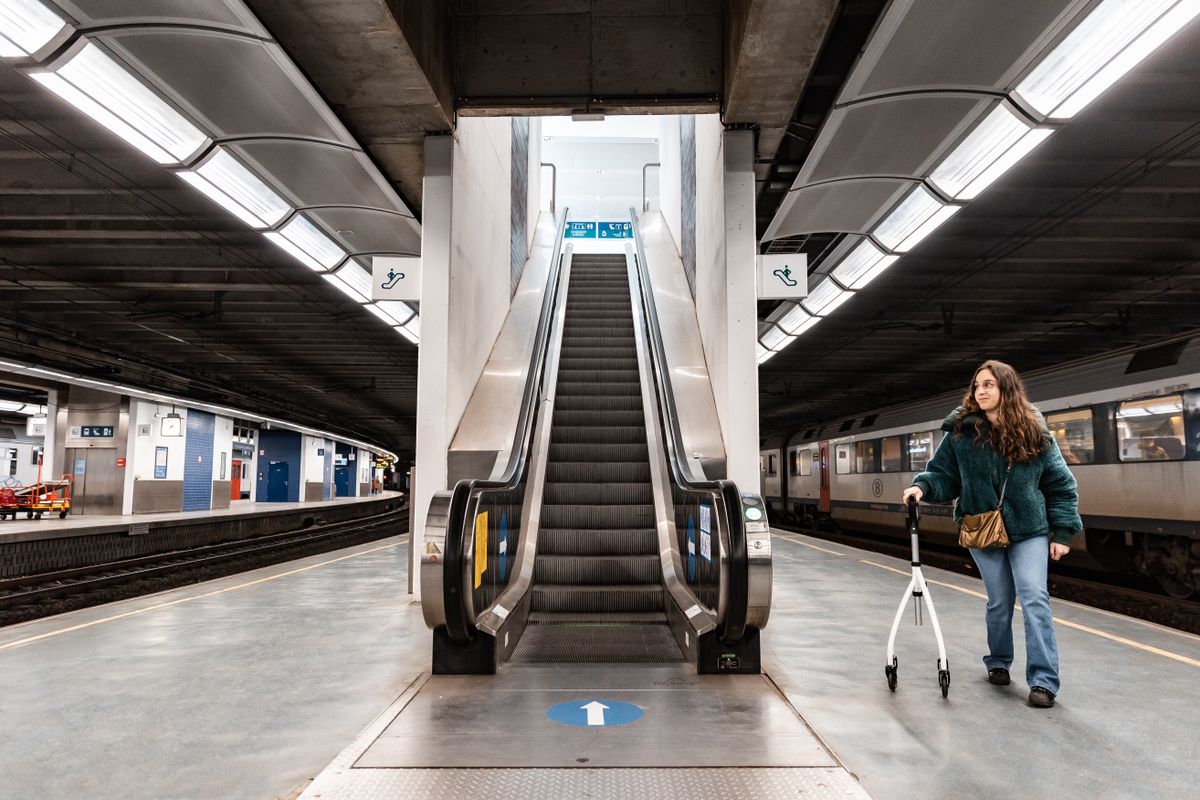
Photo: Pexels · Pexels License. Illustrative photograph of the subject; not a tested result, current condition report or endorsement. Display may crop the original.
Describe what must work in practical terms
Write the needs that affect the journey: step-free access, maximum comfortable walking distance, seating breaks, door widths, transfer assistance, visual information or a quiet environment. Use measurements where they matter and keep private medical details out of general inquiries unless needed. A provider can answer a specific question about a threshold more reliably than the broad question 'Is everything accessible?' Let the traveler decide which accommodations are essential and which are preferences.
Trace the arrival chain end to end
Map aircraft or train arrival, assistance meeting point, local transport, street approach, entrance, reception and room. Identify every handoff and the provider responsible. A gap between a station exit and a hotel door can be the most consequential part of the route. Ask whether an accessible taxi or vehicle needs advance booking and whether luggage or a mobility device fits. Confirm the exact service rather than assuming a general taxi listing will meet the need.
Ask the railway specific questions
Use the operator's official assistance channel to verify the booked stations, train and connection. Check current notice requirements, meeting location, platform access and what happens if the service changes. Keep written confirmations and contact details accessible. Do not rely on a photograph of a lift from a previous year. A short connection may be unsuitable if assistance involves a particular meeting process, even where the timetable technically permits it.
Verify the actual room and bathroom
Ask the property to confirm the room category, access route, lift dimensions where relevant, bed arrangement and bathroom features needed. Request current photographs or measurements of essential details, and identify whether the answer refers to the actual assigned category. A walk-in shower can still have a lip or insufficient turning space. Confirm whether a step-free alternative entrance is available at the time you will arrive and whether staff support is required to use it.
Build days around reliable routes
Choose one main activity and nearby meal and rest options. Check the attraction's actual visitor entrance, internal route and accessible restroom information. A large site can be physically demanding even if entry is step-free. Keep a lower-effort alternative for fatigue or a failed lift. Avoid scheduling a paid second activity immediately after an uncertain-length visit. The point is to preserve choice during the day rather than forcing the traveler to meet the plan's pace.
Check streets rather than straight lines
Look for hills, paving, curb transitions and the location of transit stops. Map imagery can help ask better questions, but it is not a current access guarantee. Ask the hotel or visitor information service for a practical route where conditions are uncertain. A slightly longer route with suitable surfaces can be better than the shortest line. Keep daylight and weather in mind when deciding whether an unfamiliar street transfer is reasonable.
Plan equipment and charging needs
Confirm the relevant airline or transport rules for mobility equipment, batteries and handling with the carrier. Ask the property about secure storage, charging and any room-layout constraints. Keep essential supplies and a provider contact list accessible. If equipment rental is involved, verify the exact item, delivery, collection and breakdown support. Avoid treating a generic rental photograph as proof that a specific model or size will be available.
Maintain a fallback the traveler accepts
Choose alternatives before departure: a different station route, an accessible transfer provider or a quieter nearby day. Check cancellation conditions where a failure would make a booked service unusable. Share a concise access brief with companions and relevant providers, with the traveler's consent. EU rights information is a useful starting point, but operational arrangements still need confirmation. A good plan gives the traveler control over when to adapt, rather than leaving every change to improvisation.
Your working checklist
Checkmarks stay in this browser when storage is available. They do not submit information or complete a purchase.
Put it into practice
- List essential functional requirements with the traveler.
- Trace each arrival handoff from vehicle to room.
- Contact transport providers through official assistance channels.
- Confirm the specific room and bathroom features in writing.
- Build compact day routes with rest and restroom options.
- Check equipment transport, charging and handling rules.
- Share the current access plan and agreed fallbacks with consent.
Before you finish
- The actual room category is confirmed.
- Station assistance covers the booked service.
- Street approaches are included in access checks.
- The traveler has approved the fallback choices.
Common questions
Is an accessibility icon enough?
No. It is a starting point for specific questions. Match the property or service's actual features to the traveler's needs and confirm the important details through the provider.
Can online map photographs prove a route is step-free?
They can help with orientation, but may be old or incomplete. Verify current critical details with the responsible provider, particularly lift operation, entrances and assistance arrangements.
Should companions decide the daily pace?
The traveler should be involved in defining comfort and priorities. Build options rather than a compulsory schedule. A planned rest or shorter route can preserve a better experience for the whole group.
Do passenger rights replace booking assistance?
No. Rights information and practical arrangements are related but distinct. Read the applicable official guidance and also confirm the operator's current process for the specific service and traveler needs.